Local Citation Building Strategies That Actually Move the Needle in 2026
Learn proven local citation building strategies that improve search visibility and help customers find your business across directories and platforms.
Your business exists. Google just doesn't know it yet.
That's the problem with local citations—or rather, the lack of them. When potential customers search for what you offer in Billings, your competitors appear. You don't. Not because your service is inferior, but because search engines can't verify you're a legitimate local business.
Local citation building strategies fix that credibility gap. They tell Google, Bing, and Apple Maps that your business is real, established, and worth showing to searchers. The difference between a business with consistent citations and one without? The first one gets found. The second one bleeds customers to competitors who figured this out years ago.
Table of Contents
What Citations Actually Are (And Why They Matter)
A local citation is any online mention of your business name, address, and phone number—what the industry calls NAP. It might be a directory listing, a mention in a local blog post, or your information on a review site.
Citations serve two functions. First, they act as trust signals. When search engines see your business information repeated accurately across multiple authoritative sites, they gain confidence you're legitimate. Second, they create pathways for customers to find you outside of search engines entirely.
Think about how people actually search for local businesses. They might start on Google, sure. But they also check Yelp, scroll through industry-specific directories, or ask for recommendations in local Facebook groups. Citations ensure you're visible wherever that search happens.
The Core Citation Sources You Can't Ignore
Not all citation sources carry equal weight. Some matter significantly more than others.
Google Business Profile sits at the top. This isn't optional—it's the foundation. Your GBP listing feeds information to Google Maps and local search results. Get this wrong, and nothing else you do with citations will fully compensate.
Major data aggregators come next: Neustar Localeze, Factual, Foursquare, and Acxiom. These platforms distribute your business information to hundreds of smaller directories and apps. One accurate listing here can cascade into dozens of citations.
Industry-specific directories provide targeted visibility. A dental practice benefits more from a listing on Healthgrades than a generic business directory. A contractor should prioritize Houzz and Angie's List. Find where your customers actually look when they're ready to buy.
If you're managing multiple aspects of your online presence—much like addressing uncomfortable bad breath requires tackling multiple causes—you'll need a systematic approach rather than random fixes.
Why Citation Consistency Beats Citation Quantity
Here's where most businesses trip up: they chase volume instead of accuracy.
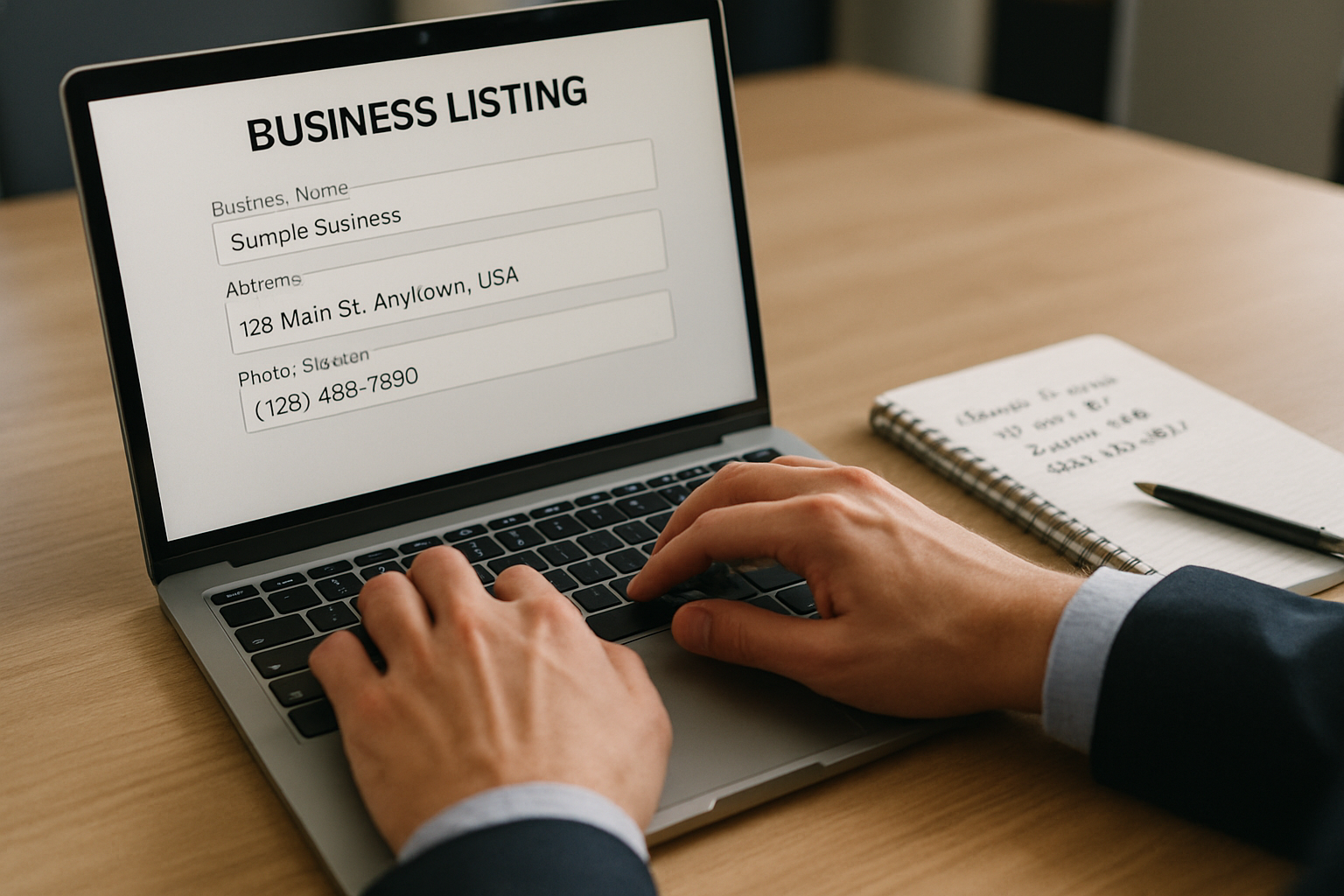
One hundred inconsistent citations create more problems than they solve. If your business name appears as "Mike's Plumbing" on one site, "Mike's Plumbing LLC" on another, and "Mikes Plumbing" on a third, you've fragmented your online presence. Search engines don't know which version is correct, so they trust all of them less.
The same goes for addresses. "123 Main Street" and "123 Main St." look identical to humans, but algorithms treat them as different data points. Use the exact same format everywhere—down to the punctuation.
Phone numbers deserve the same treatment. Pick one format (we recommend the standard xxx-xxx-xxxx) and never deviate. If you've used multiple phone numbers over the years, choose the current one and systematically update older listings.
This consistency mirrors the precision needed in other professional services. Just as dental crowns require exact measurements to function properly, your citations need exact matches to deliver results.
Finding Citation Opportunities Your Competitors Missed
The standard directories—Google, Yelp, Facebook—are table stakes. Real competitive advantage comes from citations your competitors haven't claimed yet.
Local chamber of commerce and business associations offer authoritative citations many businesses overlook. These organizations typically maintain member directories with high domain authority. The bonus? They often include a dofollow link back to your website.
Local news sites and community calendars provide citation opportunities if you're willing to engage. Sponsor a Little League team, and you'll get mentioned in the local paper's sports section. Host a community event, and you'll appear in event listings across multiple sites.
Niche directories specific to your location and industry exist for almost every combination. Montana-based businesses might target Montana-specific directories that national competitors ignore. Regional industry associations often maintain their own directories.
Finding these opportunities requires research. Search for terms like "Billings business directory," "Montana [your industry] directory," or "[your industry] near me" and note where your competitors appear. Those are your targets.
When you're dealing with a complex system—whether it's identifying hidden dangers in gum disease or mapping citation opportunities—thoroughness matters more than speed.
Managing Citations Without Losing Your Mind
Building citations is one thing. Maintaining them is another.
Business information changes. You move locations, update your phone system, or rebrand. When that happens, every citation needs updating. Miss even a few, and you're back to the consistency problem.
Citation management tools like Moz Local, BrightLocal, or Yext automate much of this work. They monitor your citations, alert you to inconsistencies, and can update information across multiple platforms simultaneously. For businesses managing dozens or hundreds of citations, the time savings alone justifies the cost.
Manual monitoring still has its place, especially for niche citations that automated tools might miss. Set a quarterly reminder to search for your business name and check the top results. Look for outdated information, duplicate listings, or incorrect data.
Claiming and verifying listings matters more than you'd think. Many directories allow anyone to create a basic listing, but only verified business owners can access premium features, respond to reviews, or ensure the information stays accurate. Always verify when given the option.
Just as consistent dental hygiene prevents bigger problems down the road, regular citation maintenance prevents the kind of data chaos that tanks your local search rankings.
The Citations That Matter Most Right Now
Local citation building strategies aren't a one-and-done project. They're an ongoing component of your local SEO foundation—one that compounds over time.
Start with the big three: Google Business Profile, Apple Maps, and Bing Places. Get those perfect. Then move to data aggregators. Once that foundation is solid, branch into industry-specific and location-specific directories.
Consistency beats creativity here. Your business name, address, and phone number should be identical everywhere. When you find discrepancies, fix them immediately. When you discover new citation opportunities, claim them before your competitors do.
The businesses dominating local search in 2026 aren't doing anything magical. They're just doing the fundamentals correctly and consistently. Citations are one of those fundamentals.
If managing this alongside everything else on your plate feels overwhelming, that's normal. Our team at Agency 220 works with Billings businesses every day to build and maintain citation profiles that actually drive customer calls. We know which directories matter, which ones waste time, and how to fix the inconsistencies that are currently costing you visibility.
Your competitors are already out there, getting found by customers who should be calling you instead. Close that gap. Start with citations.
Frequently Asked Questions