Instagram Ads for Local Business: Your 2026 Playbook for Turning Scrollers Into Customers
Learn how to run Instagram ads that turn local scrollers into paying customers without wasting your budget.
Your competitor just got three new customers from Instagram this week. Not from posting pretty pictures—from running targeted ads that showed up exactly when potential customers were ready to buy.
Meanwhile, you're wondering if Instagram ads even work for local businesses, or if they're just another way to burn through your marketing budget.
Here's the truth: Instagram ads for local business aren't just effective—they're often the fastest path to new customers. But only if you set them up right.
Table of Contents
Why Instagram Ads Actually Work for Local Businesses
Instagram has 2 billion monthly users, and the algorithm is ruthlessly good at showing your ads to people who'll care about them. Unlike throwing money at a billboard on I-90 and hoping the right people drive by, Instagram lets you target by location, interests, behaviors, and even people who've visited your website.
For local businesses in places like Billings, that precision matters. You're not trying to reach everyone—you're trying to reach the person within 15 miles who needs what you sell right now.
The platform works especially well for businesses with visual appeal: restaurants, salons, retail shops, home services, fitness studios. If you can show it, you can sell it on Instagram.
But even service businesses without obvious visual hooks can win here. A tax accountant in Montana recently told us their Instagram ads highlighting "small business tax prep before April deadline" generated 23 qualified leads in two weeks for $187. That's $8.13 per lead for high-value clients.
Setting Up Your First Campaign (Without Wasting Money)
Before you spend a dollar, get clear on one thing: what action do you want people to take? Call you? Visit your website? Come to your store?
Instagram's campaign objectives align with these goals. For most local businesses, you'll choose one of three:
- Traffic: Send people to your website or a specific landing page designed to capture leads
- Engagement: Get people to interact with your post (better for brand awareness)
- Messages: Drive direct messages to your business account
Start with Traffic if you have a solid website and want measurable conversions. Choose Messages if you're service-based and close deals through conversation.
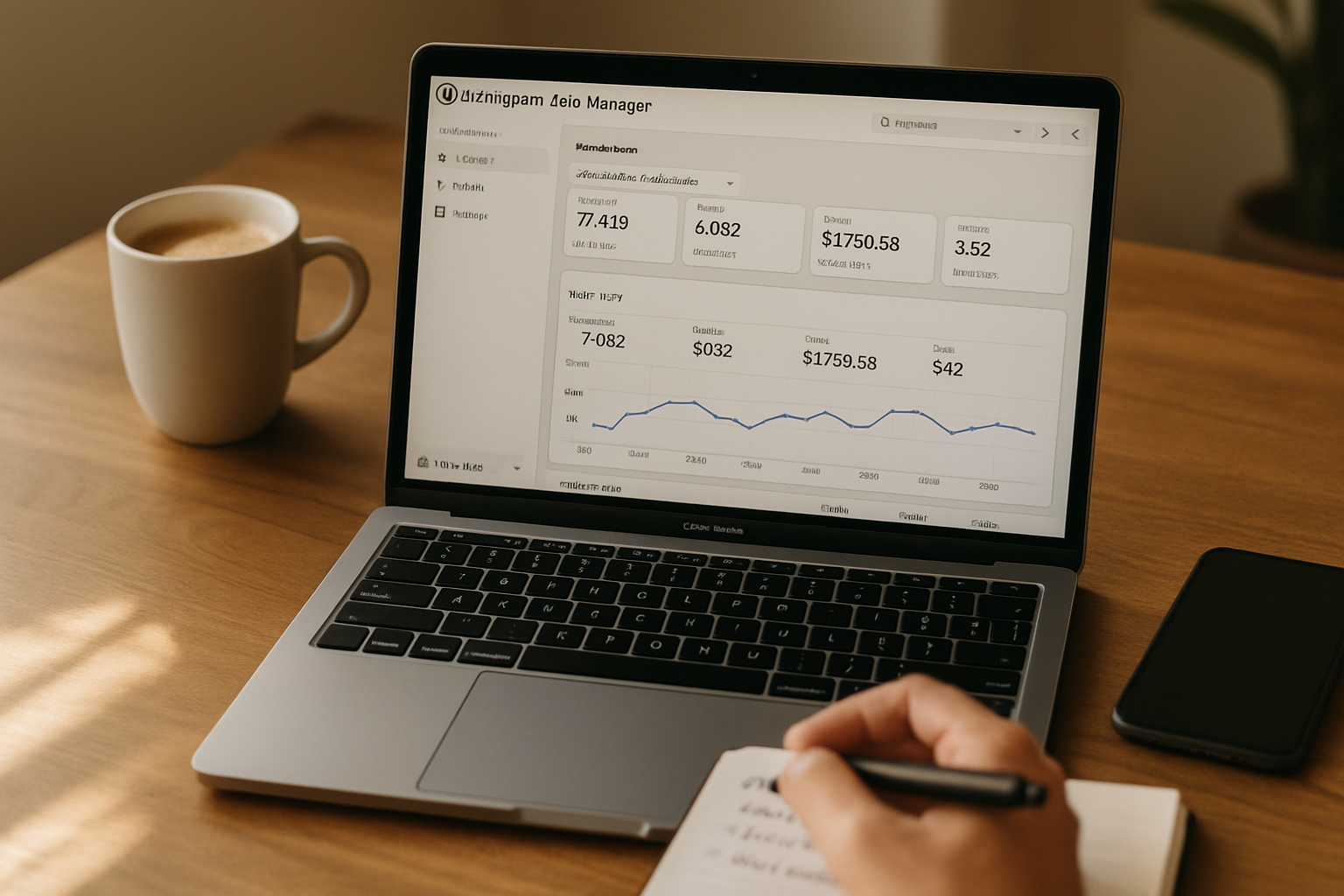
Here's where most local businesses blow it: they boost a post instead of creating a proper ad campaign. Boosting is fine for getting a post in front of more followers. But real Instagram ads—built through Meta's Ads Manager—give you targeting options that boosting can't touch.
When you're determining how much your social media advertising budget should actually be, start with $10-15 per day for testing. Run it for 7 days. That's $70-105 to learn what works before you scale.
Targeting Local Customers Who Actually Buy
This is where Instagram ads become unfair.
Start with a radius around your business location. For most local businesses, 10-25 miles works. If you're in a rural area or draw customers from farther away, expand it. If you're in a dense area, tighten it.
But location is just the start. Layer in these targeting options:
- Demographics: Age, gender, relationship status, job title
- Interests: Hobbies, pages they follow, content they engage with
- Behaviors: Recent purchases, device usage, travel patterns
- Custom Audiences: People who've visited your website, engaged with your Instagram, or are on your email list
Here's a real example: A gym in Billings targeting "women 25-45 within 15 miles interested in yoga, wellness, and healthy eating" saw 3x better performance than their previous "everyone within 25 miles" campaign.
The more specific you get, the smaller your audience—but the higher your conversion rate. Would you rather show your ad to 50,000 people where 0.5% care, or 5,000 people where 5% care?
Use Custom Audiences to retarget website visitors. Someone who browsed your services page but didn't book? Hit them with an ad offering a first-time discount. This is basic customer segmentation that most local businesses completely ignore.
Creative That Stops the Scroll
Your ad creative has one job: make someone stop scrolling long enough to read your message.
Here's what works in 2026:
Video outperforms static images by a significant margin, but it doesn't need to be fancy. A 15-second clip of your product, your team, or a customer testimonial shot on an iPhone often outperforms expensive production.
The first 3 seconds are everything. Start with the benefit, not your logo. "Cut your grocery bill by 30%" beats "Welcome to FreshMart" every time.
Show real people using your product or service. Stock photos of models pretending to be excited about your offering perform poorly. Real customers, real results, real environments build trust.
Use text overlays sparingly. Instagram users watch with sound off, so text helps—but keep it to 5-7 words max. Too much text and Meta will limit your reach.
Include a clear call-to-action. "Book your appointment," "Claim your discount," "Shop the sale." Don't make people guess what to do next.
For local businesses, showing your physical location builds credibility. A shot of your storefront, your town, or local landmarks tells people "we're here, we're real, we're nearby."
If you're running multiple ads—and you should be—test different hooks. Same offer, different opening lines. "Stop wasting money on groceries" vs. "Feed your family for less" vs. "Healthy meals under $50/week." Let the data tell you what resonates.
Measuring What Actually Matters
Instagram gives you more data than you'll ever need. Most of it doesn't matter.
Here's what does:
- Cost per result: How much you're paying for each click, message, or conversion
- Conversion rate: Percentage of people who clicked and then did what you wanted
- Return on ad spend (ROAS): Revenue generated divided by ad spend
Ignore vanity metrics like reach and impressions unless you're running pure awareness campaigns. You don't need a million impressions—you need 50 customers.
Track everything in Meta's Ads Manager, but also watch what happens on your end. Are phone calls increasing? Store visits? Online orders? The best Instagram ad data lives in your CRM or lead tracking system, not just the platform.
Most businesses should be checking ad performance every 2-3 days during the first two weeks, then weekly once campaigns stabilize. Look for trends, not daily fluctuations. A bad Tuesday doesn't mean your campaign failed.
If you're serious about understanding what's working across all your marketing channels, apply the same rigor you'd use when measuring social media ROI overall. Connect ad spend to actual revenue, not just engagement metrics.
Your Next Move
Instagram ads work for local businesses because they put your offer directly in front of people who are already thinking about what you sell.
Start small. Test one campaign with a clear objective, tight targeting, and simple creative. Give it a week and $100. Watch what happens.
Most businesses never get past the "should we try this?" phase. The ones that do—and actually optimize based on results—end up with a reliable customer acquisition channel that scales as their budget allows.
If you're looking at Instagram ads as part of a broader digital strategy, Agency 220 helps local businesses build campaigns that actually convert. We're based in Billings, we work with Montana businesses every day, and we know what works in local markets.
Want help getting your first campaign running? Reach out and we'll walk you through it.
Frequently Asked Questions
How much should I spend on Instagram ads as a local business?
Start with $10-15 per day for 7-14 days to test what works. This gives Instagram's algorithm enough data to optimize without risking a large budget. Once you identify winning ads, scale gradually—increasing budget by 20-30% weekly while maintaining performance.
Do Instagram ads work for service-based local businesses?
Absolutely. Service businesses like salons, contractors, accountants, and consultants see strong results using Instagram ads to drive messages, calls, and appointment bookings. The key is showing the outcome or transformation your service provides, not just describing what you do.
Should I boost posts or create ads in Ads Manager?
Use Ads Manager for serious campaigns. Boosting posts is quick but limits your targeting options, optimization controls, and conversion tracking. Ads Manager gives you access to Custom Audiences, detailed targeting, multiple ad formats, and proper conversion tracking—all essential for local business success.
What's a good conversion rate for Instagram ads?
For local businesses, a 2-5% click-through rate and 5-15% conversion rate on your landing page are solid benchmarks. Service businesses driving messages or calls may see lower click-through but higher intent. Focus more on cost per acquisition than percentages—if you're profitably acquiring customers, your rates are good enough.
How long does it take to see results from Instagram ads?
You'll see initial data within 24-48 hours, but give campaigns 7-10 days before making major decisions. Instagram's algorithm needs time to learn and optimize. Some businesses see leads within the first day; others take a week to dial in targeting and creative. Plan for a 2-week testing period before evaluating success.